

Poker and Baccarat Tips for Better Session Planning Key Takeaways
These five strategies apply to both games, though the specifics shift depending on whether you face other players (poker) or the dealer (baccarat).
- Poker and Baccarat Tips for Better Session Planning start with setting hard stop-loss and win-goal limits before you sit down.
- Session duration matters more than you think; 45–90 minute blocks reduce fatigue-based mistakes.
- Tailor your strategy to each game’s volatility—aggressive bankroll growth in poker, conservative streaks in baccarat.
Why Poker and Baccarat Tips for Better Session Planning Matter for Every Casino Player
Without a session plan, emotions dictate your decisions. You chase losses, overstay your welcome, and drain your bankroll faster than you expected. Whether you prefer the strategic depth of poker or the pure chance of baccarat, a structured approach keeps you in control. For a related guide, see Poker and Baccarat Tips for Smarter Table Decisions.
Casino session strategy is not one-size-fits-all. Poker rewards patience and psychological reads, while baccarat demands discipline and pattern awareness. Learning to plan each session around your goals—financial, entertainment, or skill-building—transforms your experience from chaotic to profitable. For a related guide, see Poker and Baccarat Tips for Building Playing Skills.
What a Session Plan Actually Does for You
A session plan acts as your pre-game checklist. It defines your bankroll, time limit, target win, and stop-loss. When you hit any of those thresholds, you walk. No exceptions. This removes emotional tilt and keeps your decisions logical.
5 Core Poker and Baccarat Tips for Better Session Planning to Use Today
These five strategies apply to both games, though the specifics shift depending on whether you face other players (poker) or the dealer (baccarat). Let’s break them down.
1. Set Hard Financial Boundaries Before You Buy In
The most overlooked part of Poker and Baccarat Tips for Better Session Planning is the pre-session budget. Decide exactly how much you are willing to lose before you step onto the casino floor. Never dip into rent money, savings, or emergency funds.
For poker, your buy-in should be at least 20 full buy-ins for the stakes you play. For baccarat, set a session bankroll of 50–100 units of your minimum bet. Once that bankroll is gone, the session ends—no exceptions.
2. Choose Your Game Based on Your Current Mental State
Your mindset directly affects your performance. Feeling sharp and social? Sit at a poker table. Tired or distracted? Stick to baccarat, where decisions are simpler and the house edge is fixed. Poker session tips often warn against playing when you cannot focus on opponents’ tells. Baccarat session tips emphasize the same thing: pick a calm moment, not a rushed one.
3. Time Your Sessions — 90 Minutes Max
Fatigue erodes judgment. Most players start making predictably bad decisions after 90 minutes of continuous play. Set a timer on your phone and stick to it. Take a 15-minute break between sessions to reset your focus and check your bankroll status.
4. Use Pre-Decided Betting Patterns (Especially in Baccarat)
Baccarat players benefit from flat betting or a simple 1-3-2-4 progression. This prevents chasing streaks and keeps your bankroll steady. Poker players should vary bet sizes based on hand strength and position, but also pre-plan the number of bluff opportunities per session to avoid overdoing it.
5. Track Every Session Outcome — Win or Lose
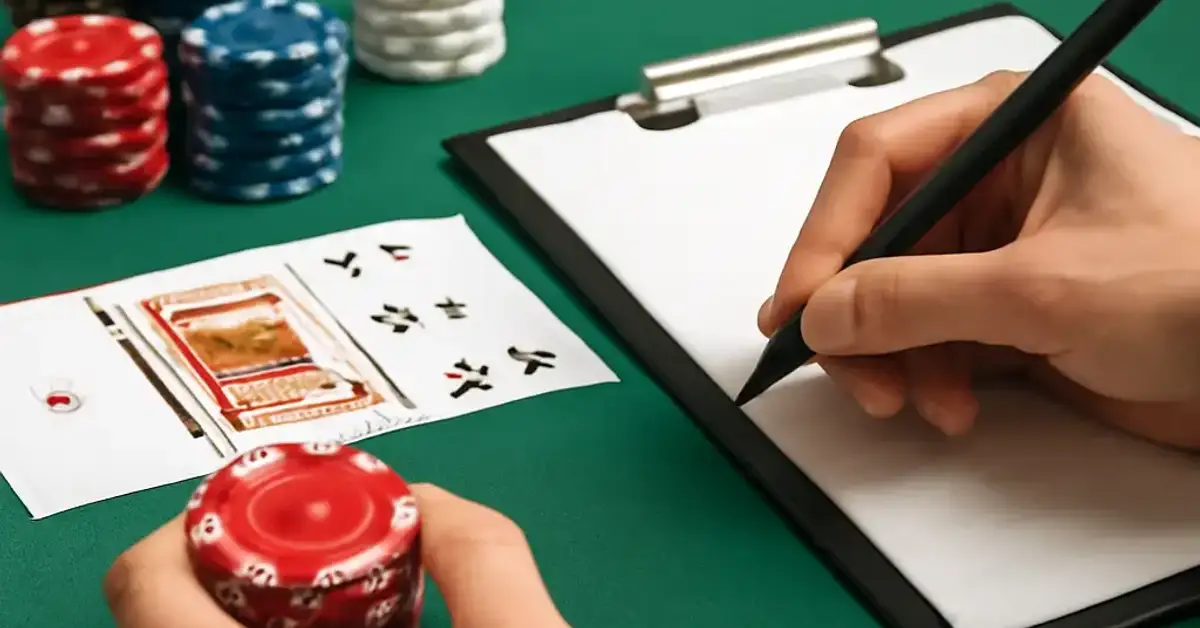
Keeping a session log is one of the most powerful Poker and Baccarat Tips for Better Session Planning. Record the date, game, buy-in, cash-out, session length, and a brief note on your mental state. Over time, patterns emerge—you might discover you play better in the morning or that certain table positions drain your stack.
Comparing Poker and Baccarat Session Strategies
Although both games benefit from planning, the execution differs. Here is a side-by-side look at how the two games demand different approaches.
| Session Element | Poker | Baccarat |
|---|---|---|
| Bankroll requirement | 20+ buy-ins per session | 50–100 units of min bet |
| Primary risk | Opponent skill + variance | House edge + streak chasing |
| Best session length | 60–90 min with breaks | 45–60 min max |
| Betting style | Variable (position/hand strength) | Flat or fixed progression |
| Win goal suggestion | 1.5x buy-in | 20% of session bankroll |
| Stop-loss suggestion | 1 buy-in | 50% of session bankroll |
When to Switch from Poker to Baccarat (or Vice Versa)
If you feel your poker reads are off—maybe you are losing to obvious bluffs—switch to baccarat. The lower cognitive load lets you reset. Conversely, if baccarat feels boring and you want more control over outcomes, poker offers deeper strategy. Use the session plan as a flexible guide, not a prison.
Common Pitfalls in Casino Session Strategy (and How to Avoid Them)
Even with a plan, players fall into traps. Here are the three biggest mistakes.
Ignoring the Stop-Loss and Walking Away
You set a stop-loss at $200. You lose $190 and think, “Just one more hand to win back a little.” That is the tilt talking. Emotional decision-making leads to higher losses. When you hit your limit, stand up immediately.
Overcomplicating Baccarat Betting Systems
Martingale, Fibonacci, and similar progressions sound clever but rarely work long-term because of table limits and bankroll depletion. Stick to flat bets or a simple, conservative progression. Baccarat session tips repeatedly advise against chasing losses with increasing bets.
Playing Too Long on a Cold Run
In poker, bad beats happen. But if you have not won a significant hand in two hours, your focus degrades. Take a break. The table will still be there when you come back fresh.
Your Pre-Session Checklist (Copy This Before You Play)
Print this checklist or save it to your phone. Run through it before every casino visit.
- Decide game(s) to play (poker, baccarat, or both).
- Set session bankroll — cash only, no cards.
- Define win goal and stop-loss amount.
- Set a timer for 60–90 minutes.
- Review your last three session logs to spot patterns.
- Choose a table position that feels comfortable.
- Confirm you are in a calm, focused mood.
- Take a deep breath and sit down.
Following this checklist integrates all Poker and Baccarat Tips for Better Session Planning into a single repeatable habit.
Useful Resources
For deeper reading on bankroll management and game theory, check these trusted sources:
- Learn about bankroll management systems at Casino.org — practical breakdowns of session budgeting.
- Common poker session mistakes and fixes at 888poker — actionable advice for live and online play.
Frequently Asked Questions About Poker and Baccarat Tips for Better Session Planning
What is the single most important rule for session planning?
Set a hard stop-loss before you start and stick to it no matter what.
How much should I bring for a baccarat session?
Bring 50 to 100 times your minimum bet. That gives you enough cushion against short-term variance.
Is poker or baccarat easier to plan for?
Baccarat is simpler because decisions are fixed. Poker requires adapting to opponents, so planning is more flexible.
Should I use a betting system in baccarat?
Flat betting is safest. Progressive systems like Martingale increase risk of large losses.
How long should a poker session last?
60 to 90 minutes is optimal. After that, mental fatigue reduces your edge.
What is a win goal and why set one?
A win goal is the profit level where you quit. It locks in gains and prevents greed-driven losses.
Can I play both poker and baccarat in one session?
Yes, but treat each as a separate session with its own bankroll and time limit.
How do I handle a cold streak in poker?
Stick to your stop-loss and take a break. Do not chase losses by raising stakes.
What is the best time of day to play?
Evenings tend to have more recreational players in poker. Baccarat is consistent all day.
Do I need a different plan for online vs live?
Yes. Online plays faster, so reduce session time to 45 minutes and tighten your stop-loss.
Should I track my results?
Absolutely. A simple log of wins, losses, and mental state reveals patterns that improve future planning.
What is tilt and how does it affect sessions?
Tilt is emotional frustration that clouds judgment. It causes players to bet irrationally and exceed their limits.
Can I use the same plan for tournaments and cash games?
No. Tournaments require longer blocks and different risk management. Cash games are more flexible.
How do I choose between a poker table and a baccarat table?
Choose poker when you feel social and strategic. Choose baccarat when you want a calm, low-variance game.
What should I do if I hit my win goal early?
Cash out and leave. You won. Staying longer risks giving the money back.
Is flat betting really the best for baccarat?
For most players, yes. It limits losses and avoids the temptation to double down after losses.
How often should I take breaks?
Every 60 to 90 minutes, even if you are winning. Walk around, hydrate, reset focus.
Do alcohol and session planning mix?
No. Alcohol impairs decision-making and makes it harder to stick to your plan.
Can I practice session planning online for free?
Yes, many poker apps and free baccarat games let you test strategies without real money risk.
What is the ultimate session planning goal?
To walk away from every session—win or lose—feeling like you followed your plan and learned something.