

7 Dragon Tiger Luck Features Explained Key Takeaways
The 7 Dragon Tiger Luck Features Explained framework helps casino players understand how this fast-paced card game balances luck, probabilities, and betting choices.
- Understanding key Dragon Tiger luck features lets you choose bets that match your risk tolerance instead of relying on pure superstition.
- Patterns, side bets, and table rules can change the real house edge, so serious players should read the layout and paytable carefully before betting.
- Smart bankroll control and simple tracking habits often matter more than chasing streaks when you want sustained results in this game.
What Casino Players Should Know About 7 Dragon Tiger Luck Features Explained
The game of Dragon Tiger looks incredibly simple: two spots (Dragon and Tiger), one card each, highest card wins. Yet once you dig deeper, you realize there are several hidden “luck levers” that shape how the game feels, pays, and flows. This guide uses 7 Dragon Tiger Luck Features Explained as a structure to show you exactly what is affecting your results beyond just a random flip of the cards. For a related guide, see 7 Temple Tumble Slot Features Explained.

This is a practical Dragon Tiger casino game guide written for active casino players. You will see how card odds, side bets, streaks, and even your own betting routine combine to create hot runs or painful downswings. Each section explains one feature, why it matters, and what you can do about it, so you finish with clear, realistic Dragon Tiger tips for casino players.
Core Dragon Tiger Luck Features Every Player Should Understand
Before diving into specific streaks and betting tricks, it helps to clarify the basic mechanics that power the game. These first features are baked into the rules and math of how to play Dragon Tiger at any reputable casino. For a related guide, see 7 Hot Hot Fruit Slot Features Explained.
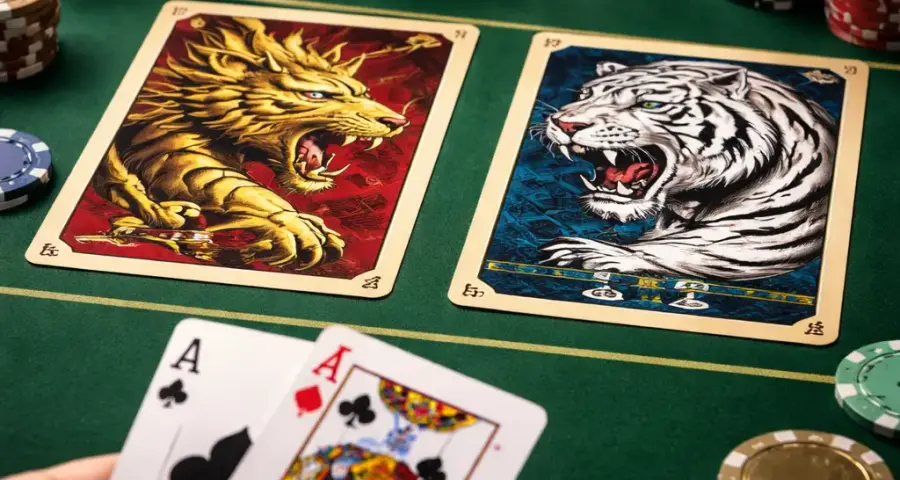
1. House Edge and Payout Structure as a Luck Filter
The first and most important of the Dragon Tiger luck features is the built-in house edge. On the main Dragon or Tiger bets, the edge is relatively modest compared with many other casino games, but it still means you are paid slightly less than the true odds of winning over time.
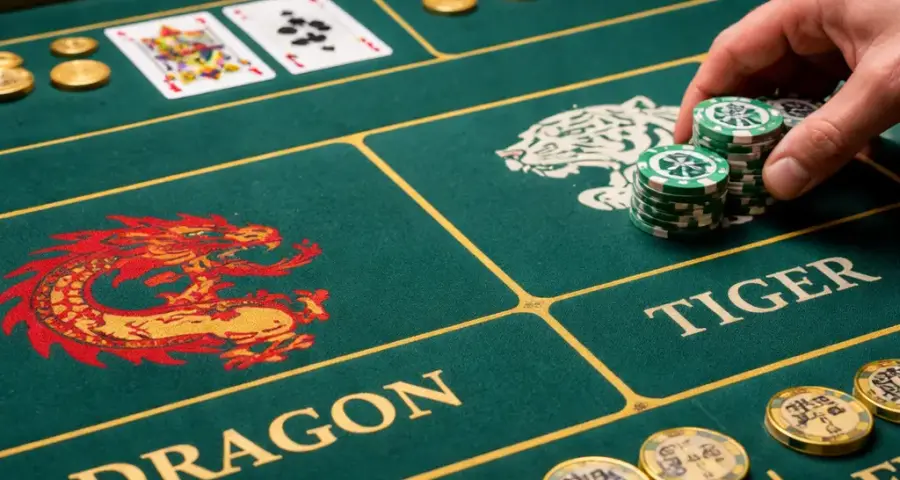
Whenever you bet on Dragon or Tiger, you win if your side gets the higher card and lose if the other side wins. Ties and specific side bets can change your actual return. Understanding this structure lets you treat luck realistically: good runs are possible, but the math will slowly pull you back towards the edge if you play long enough.
Practical tip: Ask for or look up the exact paytable. Some live dealer platforms and land-based casinos tweak payouts on ties or suited ties, which can nudge the house edge up or down. Detailed breakdowns from trusted sites like Wizard of Odds Dragon Tiger analysis are useful reference points.
2. Card Distribution and the Impact of Ties
Another core feature in any Dragon Tiger casino game guide is how card ranks are distributed. Typically, Aces are low and Kings are high, so there are 13 ranks to consider. With just one card per side, outcomes are straightforward, but ties are where the interesting variance appears.
Most tables treat a tie as a loss on Dragon and Tiger bets, sometimes with a portion of your stake returned (for example, losing half). This rule is a major hidden lever on your long-term results. You might feel “unlucky” hitting multiple ties in a short span, but you actually just ran into a small portion of the probability curve that is always there.
Practical tip: Track how the house handles ties and whether they offer a separate “Tie” or “Suited Tie” bet. These bets usually come with a much higher house edge, even though they can look tempting due to their big payouts.
3. Pace of Play and Variance Swings
Unlike slower table games, Dragon Tiger can fire off dozens of decisions every few minutes. This rapid pace is itself a powerful luck feature, because it amplifies variance. You can feel very lucky or very unlucky in a short time simply because you are seeing so many hands.
From a mathematical standpoint, more hands bring you closer to the real house edge. From a practical standpoint, speed magnifies your emotional reactions. That mix of fast decisions and strong emotions is exactly what causes players to chase losses, double up randomly, and turn bad luck into a serious bankroll issue.
Practical tip: Deliberately slow down. Skip a few rounds, watch the dealer, and reset your decisions when you notice yourself speeding up after wins or losses. Treat the pace of play as something to manage, not something that just happens to you.
7 Dragon Tiger Luck Features Explained in Detail
Now let’s break down the seven luck-related aspects that most strongly shape your real experience at the table. These are the features that turn a simple game into a dynamic, sometimes streaky ride.
1. Dragon and Tiger Streaks
The most visible of all Dragon Tiger luck features is streak behavior. You will often see scoreboards showing chains of Dragon wins, Tiger wins, or quick alternations between the two. Humans are wired to spot patterns, so our brains instantly attach meaning to those streaks.
Mathematically, long runs of Dragon or Tiger are completely normal in a random sequence. But at the table, many players treat them as signals—either “trend is your friend” or “it has to switch soon.” Both reactions can pull you away from rational bankroll management.
Practical tip: If you ride a streak, do it with a fixed stake, not an escalating one. Decide beforehand: “I will follow this run for three hands with the same bet size,” and then stop regardless of outcome. This way, you enjoy the fun of streak-chasing without letting emotion write the size of your next wager.
2. Side Bets and Their Illusion of Extra Luck
Side bets are where luck feels most dramatic. Tie, suited tie, big/small, or various side options frequently offered by online platforms change the volatility of your session. They may pay 8:1, 11:1, or even more, turning rare outcomes into headline wins.
These bets are designed to be exciting—and to carry a higher house edge. The perception of luck is stronger because outcomes are less frequent but more memorable. A single big side-bet win can color your entire night, even if your overall results are down.
Practical tip: Treat side bets as entertainment, not a core strategy. Cap side-bet stakes as a small fraction of your main bet (for example, 10–20%). This keeps their volatility fun rather than destructive.
3. Table Rules and Deck Management
Subtle rules like how many decks are in the shoe, how often the cards are shuffled, and whether the dealer burns cards can alter probabilities slightly. Over thousands of hands these differences matter; over a single evening, they mostly act as one more luck feature affecting your run.
Live dealer casinos usually state how many decks are in use. Some RNG-based online versions treat every deal as if it came from a freshly shuffled shoe. Variations like these are worth noting if you plan to track trends or apply any conservative card-count style observations (even though full counting is typically not viable here).
Practical tip: When trying a new table, quickly review the on-screen rules or printed signage. If you see unusual payouts on ties or special side-bet rules, adjust your expectations about volatility and house edge accordingly.
4. Scoreboards and Pattern Tracking
Modern Dragon Tiger layouts—especially in live online casinos—often show detailed histories: bead roads, big roads, and other visual trackers inspired by baccarat scoreboards. These are meant to help you “see the flow” of the game, but they can also exaggerate your sense of control.
While past results do not change future probabilities in a fairly dealt game, scoreboards can be useful for one thing: self-discipline. You can use them to mark sessions, set stop-win and stop-loss points, and see when you have hit your planned limits.
Practical tip: Instead of using scoreboards to predict, use them to record. Note where you began, where you meant to quit, and where you actually stopped. Over a few sessions, you will see clearly if emotion is pushing you past your own rules.
5. Bankroll Management as a Luck Multiplier
Bankroll management might not sound like a luck feature, but in real play it functions like one. The same run of cards can feel catastrophic or manageable depending on how you sized your bets and divided your session budget.
If you risk too much of your bankroll per hand, variance hits harder. A simple cold run wipes you out and feels like terrible luck. With disciplined bet sizing—say 1–3% of your session bankroll per hand—the very same run becomes a normal, survivable downswing.
Practical tip: Before you sit down, divide your total gambling budget into smaller session units. Decide your per-hand limit based on that session unit, and do not exceed it, even when you feel “due” for a win.
6. Emotional Tilt and Perception of Luck
Dragon Tiger’s speed combines with short-term variance to create emotional swings known to poker players as “tilt.” Lose three or four hands in a row and it can feel like the game is rigged or that you are personally unlucky.
In reality, such sequences are normal. What turns them into serious problems is how you respond—chasing losses, doubling up without a plan, or jumping to high-risk side bets. Emotion, not math, is usually at the core of a bad session story.
Practical tip: Build a simple tilt checkpoint: every time you lose three consecutive bets, pause for at least two rounds without betting. Use that break to review your original limits and decide whether to continue or log the session as done.
7. Table Selection and Game Version Differences
The final feature in our 7 Dragon Tiger Luck Features Explained list is table selection. Different casinos and software providers offer their own twists: varying number of decks, altered payout ratios, extra side bets, or promotional rules during certain hours.
From your perspective, choosing the right table is like choosing the landscape where your luck will play out. Slightly better rules, clearer interfaces, and a pace that suits you can all tilt the experience in your favor, even though you never control the card order itself.
Practical tip: When possible, compare rule sheets and RTP information between providers. Well-reviewed live dealer platforms and regulated online casinos usually publish the theoretical return-to-player (RTP) percentages, which you can cross-check against independent evaluations like those on OnlineGambling.com’s Dragon Tiger overview.
Checklist: Turning Dragon Tiger Luck Features Into Smart Play
To make this guide truly actionable, use the following checklist before and during your session. It condenses the main ideas of this Dragon Tiger casino game guide into quick, memorable steps.
| Area | What to Check | Why It Matters |
|---|---|---|
| Rules and Paytable | House edge, tie rules, side-bet payouts | Defines long-term expectation and volatility |
| Bankroll | Session budget and per-hand limit (1–3%) | Prevents short-term variance from wiping you out |
| Table Pace | Hands per minute, ability to sit out rounds | Helps control emotional decisions during swings |
| Side Bets | Max fraction of main bet (e.g., 10–20%) | Keeps high-edge bets from dominating results |
| Scoreboard Use | Tracking progress, not predicting future | Supports discipline instead of superstition |
| Tilt Control | Plan for 3-loss streak pauses | Breaks the cycle of chasing and over-betting |
| Exit Rules | Clear stop-win and stop-loss points | Ensures you quit sessions on your terms |
Advanced Dragon Tiger Tips for Casino Players
Once you are comfortable with the basics, you can bring a slightly more advanced mindset to the table without drifting into unrealistic systems or “guaranteed” methods.
First, focus on consistency. Keeping your base bet size similar hand to hand smooths out variance and clarifies whether your results are coming from luck, rules, or reckless bet jumping. Second, respect session length. Many experienced players find that shorter, clearly defined sessions feel more controlled and enjoyable than deep, unfocused marathons.
Finally, maintain realistic expectations. No matter how well you follow Dragon Tiger tips for casino players, this remains a negative expectation game in the long run. Your edge comes from optimizing enjoyment, lowering mistakes, and avoiding emotional spirals—not from beating the math forever.
Useful Resources
If you want to go deeper into the numbers and rule variations behind Dragon Tiger, these independent resources are a good next step:
- Wizard of Odds Dragon Tiger analysis – Detailed breakdown of rules, house edge, and probabilities.
- OnlineGambling.com Dragon Tiger guide – Overview of variants, side bets, and general strategic considerations.
When you bring all seven features together, 7 Dragon Tiger Luck Features Explained becomes more than a list—it is a framework for playing with clear eyes. You cannot control the cards, but you can control the rules you choose, the pace you play, and the way you handle swings, giving you a smarter, more enjoyable Dragon Tiger experience.
Frequently Asked Questions About 7 Dragon Tiger Luck Features Explained
Is Dragon Tiger mostly luck or skill?
Dragon Tiger is primarily a luck-based game because you cannot influence which card is dealt to Dragon or Tiger, and there are no complex decisions like in blackjack or poker. However, there is a layer of skill in how you choose your bets, manage your bankroll, and react emotionally to streaks and swings. Understanding the 7 Dragon Tiger Luck Features Explained in this guide helps you apply that small but important strategic edge.
What is the house edge on Dragon and Tiger bets?
The house edge on the main Dragon and Tiger bets typically sits around the low single digits, depending on the specific rules and number of decks used. While it is often better than many side bets, it still favors the casino over the long term. Always check the posted rules or game information in your chosen casino, as small differences in tie handling and deck count can slightly adjust the true edge.
Are Tie bets in Dragon Tiger ever a good idea?
Tie bets usually carry a significantly higher house edge than standard Dragon or Tiger wagers, even though they come with attractive payouts like 8:1 or higher. They are best treated as occasional entertainment bets rather than the centerpiece of your strategy. If you do use them, keep your stake very small compared to your main bet and accept that they are high-risk, high-volatility options.
Do Dragon or Tiger streaks mean anything for future results?
In a fairly dealt game, long winning streaks for Dragon or Tiger do not change the odds of the next hand; each deal is an independent event. Streaks are a normal part of random sequences and can be quite long purely by chance. They can still be fun to follow, but you should not assume that a side is “due” to win or lose because of past results.
How should I size my bets in Dragon Tiger ?
A common approach is to risk only 1–3% of your session bankroll on each hand, keeping your base bet consistent. This makes normal variance easier to handle and reduces the chance that a short cold streak will wipe you out. You can occasionally adjust bet size for personal comfort, but large jumps based purely on emotion or a hunch are usually a sign of poor discipline.
Can I count cards in Dragon Tiger to gain an advantage?
Due to the way Dragon Tiger is structured—one card to each side, limited decisions, and frequent shuffling—card counting offers little to no practical advantage for most players. While deck composition technically affects probabilities, casinos and software providers generally design the game so that counting is not a viable long-term strategy. It is more effective to focus on rules, payouts, and bankroll control.
What role do side bets play in Dragon Tiger strategy?
Side bets add volatility and excitement but typically increase the total house edge on your action. They can lead to big, memorable wins but also to rapid bankroll swings. A balanced approach is to limit side bets to a small portion of your main wager, treating them as entertainment rather than relying on them for profit.
How important is the number of decks used in Dragon Tiger ?
The number of decks affects the exact probabilities of certain outcomes, including ties, but in most commercially offered versions the impact is modest for casual play. More decks generally smooth out fluctuations, while fewer decks make some compositions slightly more meaningful. For most casino players, knowing the deck count is useful context rather than a basis for complex strategy adjustments.
Do live dealer Dragon Tiger games differ from RNG versions?
Live dealer games use real cards and a physical shoe, while RNG (random number generator) versions simulate card dealing digitally. Both can be fair when run by regulated operators, but RNG versions often treat each hand as if from a freshly shuffled shoe. Live tables may show more detailed scoreboards and feel more social, yet the core probabilities remain governed by the posted rules and paytable.
What is the best basic strategy for new Dragon Tiger players?
For beginners, a solid basic approach is to stick mainly to Dragon or Tiger bets, avoid or minimize high-edge side bets, and set clear session bankroll limits. Focus on learning how the table handles ties and any special rules, and practice staying calm during short winning and losing streaks. This straightforward style keeps the game simple and reduces expensive mistakes.
How do I handle losing streaks without going on tilt?
Plan in advance how you will respond to a losing streak, such as pausing for two or three hands after three losses in a row. Take short breaks away from the table, review your original bankroll plan, and decide whether you have reached your stop-loss limit for the session. Recognizing tilt early and stepping back is far more effective than trying to win back losses with bigger and riskier bets.
Are there any betting systems that work in Dragon Tiger ?
Progressive systems like Martingale or Fibonacci can create the illusion of control but do not change the inherent house edge. They can also lead to very large bets after a relatively short losing streak, which is risky for your bankroll. If you choose to use a system, treat it as a structure for fun rather than a guaranteed way to win, and always put strict bet size and table-limit safeguards in place.
What should I look for when choosing a Dragon Tiger table?
Pay attention to the posted rules, payout details, and any available return-to-player (RTP) information. Compare how ties are handled, what side bets are offered, and whether the interface and pace suit your playing style. Choosing a transparent, regulated casino and a rule set with reasonable payouts does more for your long-term experience than chasing flashy graphics alone.
How does table pace affect my results in Dragon Tiger ?
Faster tables mean you experience more hands in less time, which increases how quickly variance and the house edge manifest in your bankroll. Quick play can also push you into emotional decisions if you are not careful. Slowing down, sitting out occasional rounds, and setting time-based session limits are simple ways to keep the pace under your control.
Can I use the scoreboard to predict Dragon Tiger outcomes?
Scoreboards show historical results, but in a fair game, those results do not influence the next card’s outcome. While patterns on the board can be interesting to watch, they should not be treated as reliable predictors. A better use is to track your own play—such as when you started, how much you have staked, and whether you have reached your planned stop points.
Is Dragon Tiger a good choice for low-stakes players?
Dragon Tiger can be a good option for low-stakes players because many casinos offer modest table minimums, and the main bets are straightforward. The game’s simplicity makes it easy to control your average cost per hand if you avoid high-risk side bets and stick to a steady bet size. Just remember to set a realistic session bankroll and accept that even low-stakes play involves normal swings.
How does Dragon Tiger compare to baccarat in terms of luck?
Both games are heavily luck-driven and share features like simple betting options and visible streaks, but Dragon Tiger is even more stripped down: one card each, no drawing rules. Baccarat usually has slightly more complex probabilities and additional main bet options (Player, Banker, Tie), while Dragon Tiger focuses on speed and clarity. In both, the house edge and your betting habits matter more than any perceived pattern in results.
What is the safest bet in Dragon Tiger ?
In most standard rule sets, the main Dragon and Tiger bets are the safest in terms of house edge compared to tie-based and exotic side wagers. While no casino bet is truly “safe,” sticking to these core options and avoiding or minimizing side bets is generally the most conservative way to play. Always confirm the specific payouts at your table to verify which options have the lowest edge.
How can I use the 7 Dragon Tiger Luck Features Explained guide in real play?
Before you start a session, review the seven features outlined in this guide—house edge, ties, pace, streaks, side bets, emotions, and table selection—and decide how you will handle each one. Set clear bankroll limits, choose a rule set you understand, and commit to simple habits like pause points during losing streaks. By planning your choices around these features, you transform a purely luck-dependent game into a more structured and enjoyable experience.
Is it possible to be a long-term winning Dragon Tiger player?
Because Dragon Tiger has a built-in house edge and offers limited strategic decisions, it is not designed to be beaten consistently in the long run under normal conditions. However, you can absolutely have winning sessions and stretches of good results. The realistic goal for most casino players is to minimize costly mistakes, enjoy the game responsibly, and walk away when they are ahead instead of assuming that a winning run must continue indefinitely.